Total Pageviews

Copyright Theft

Copyright

All photographs are copyrighted.

Please do not copy or re-use without my WRITTEN permission.

Images published without consent is not permitted. I will procceed with court action on Copyright theft.

Copies maybe obtained upon request.

warshipsandauxiliares@yahoo.co.uk

Thank you

Wednesday, 20 February 2013

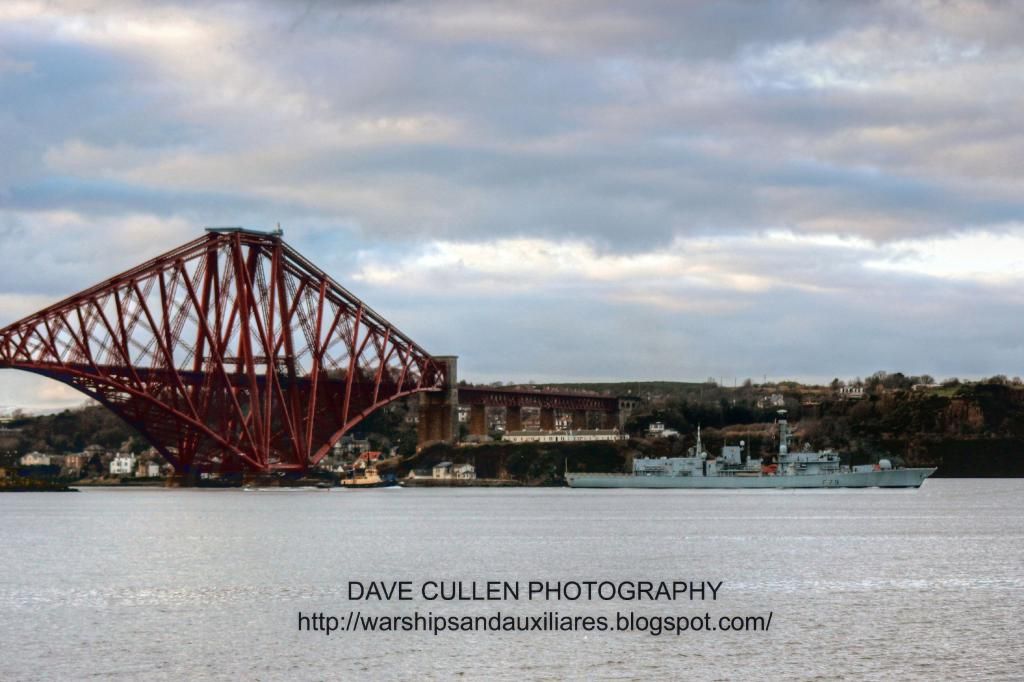
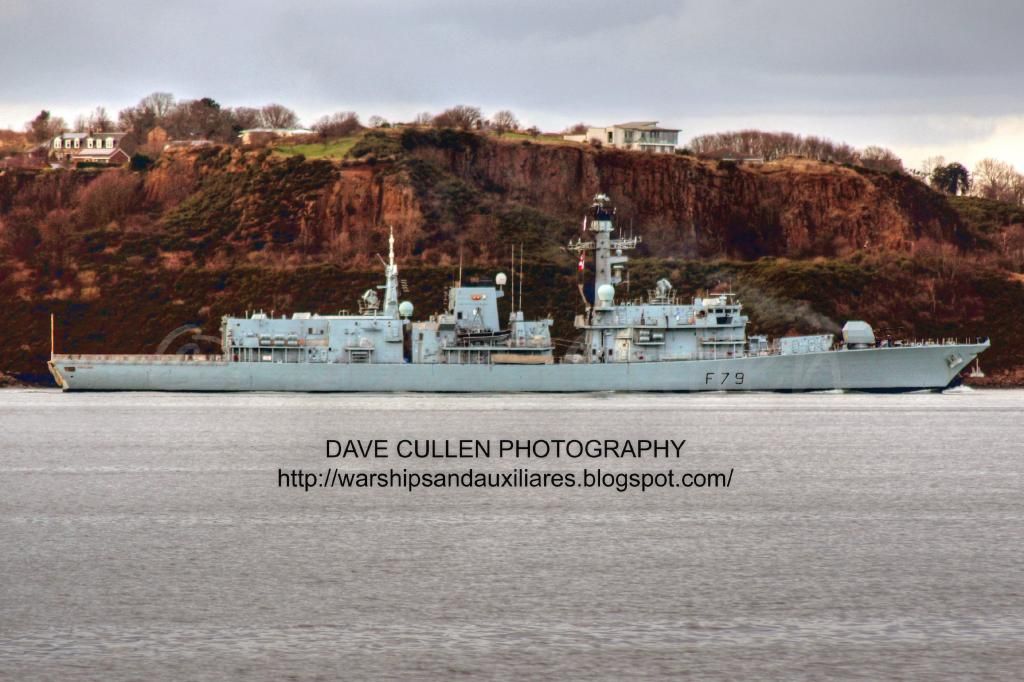
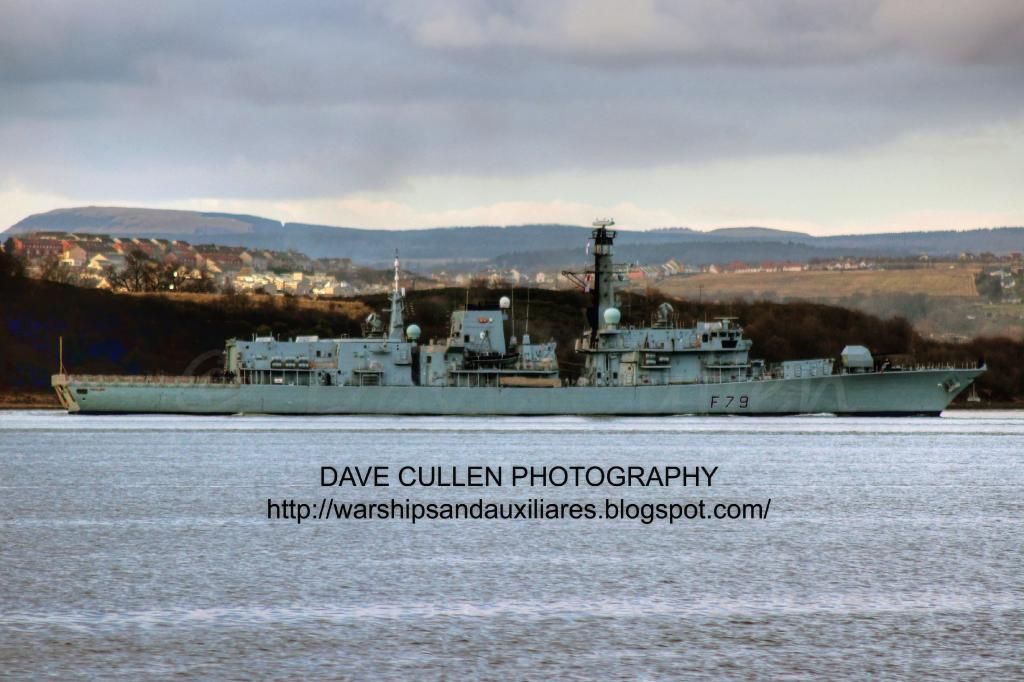
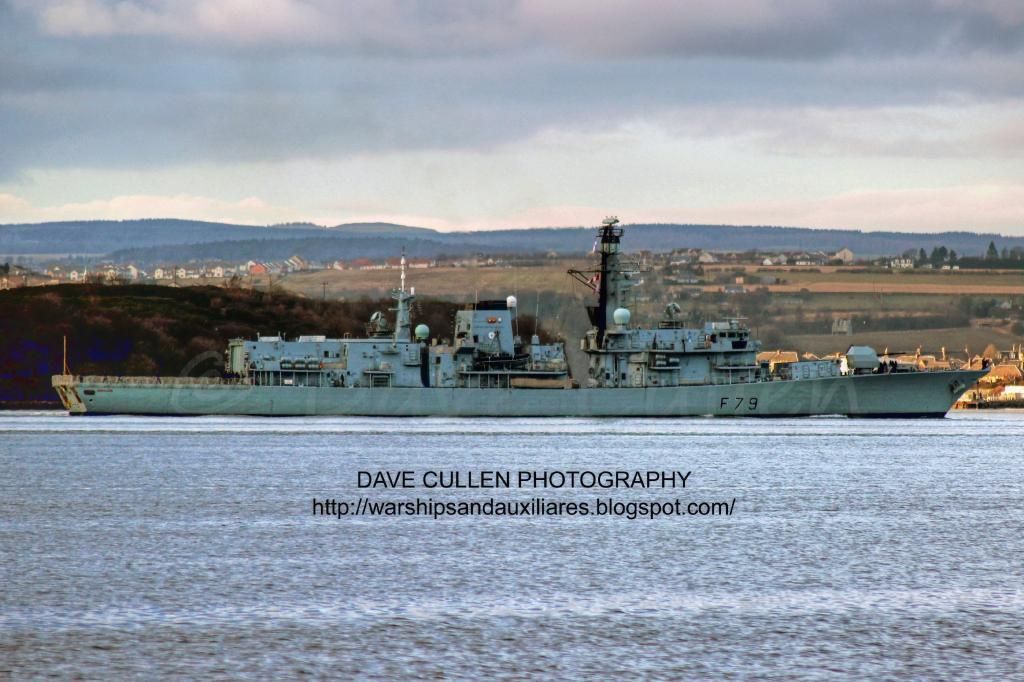
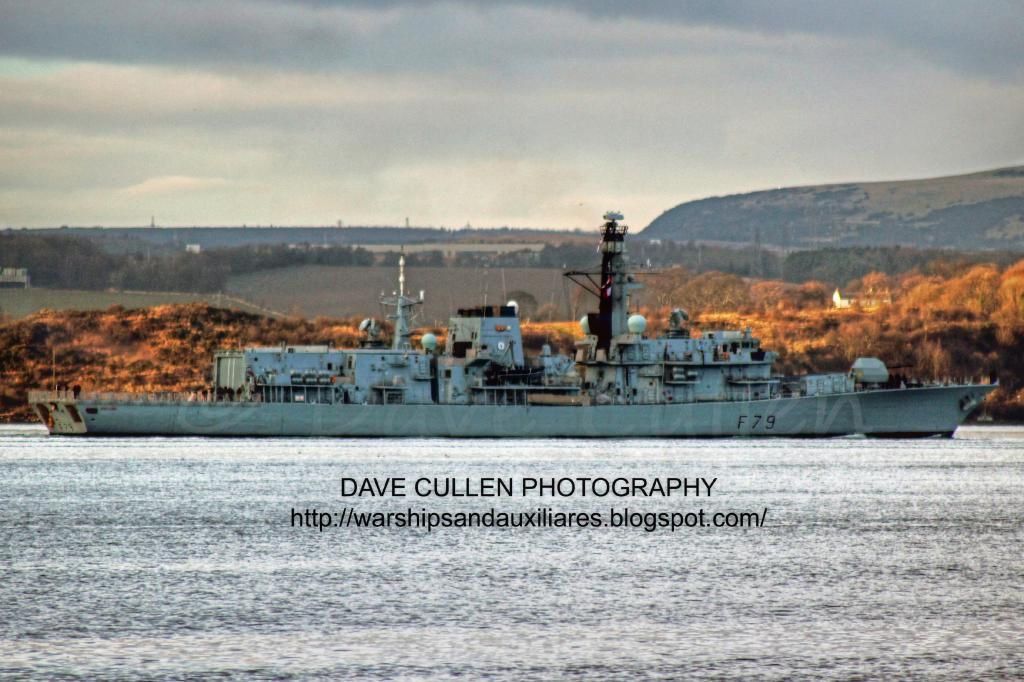
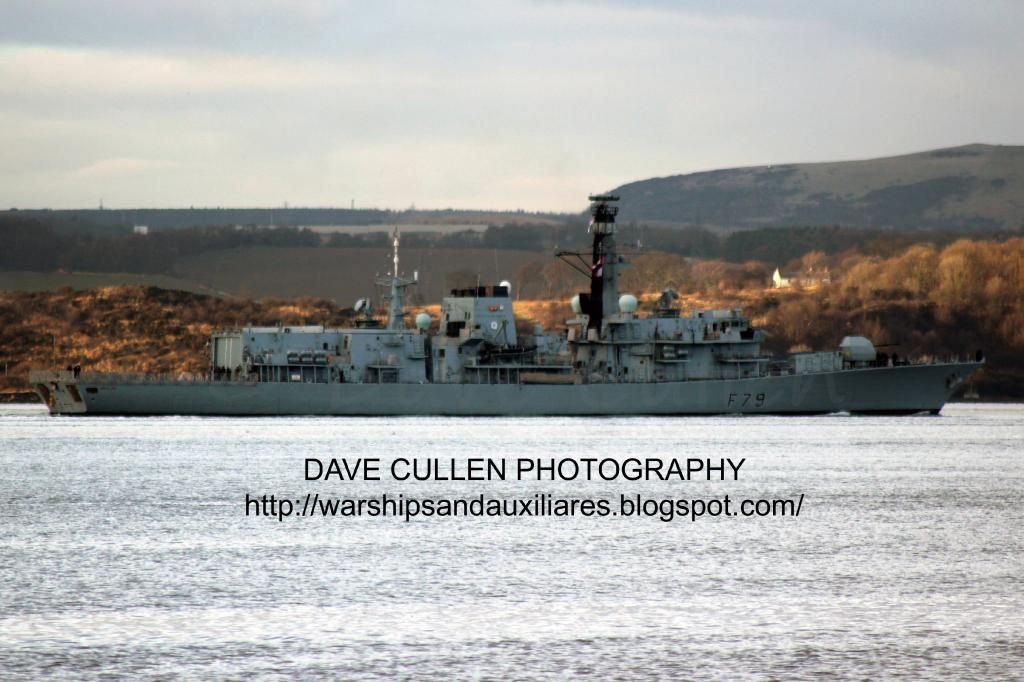
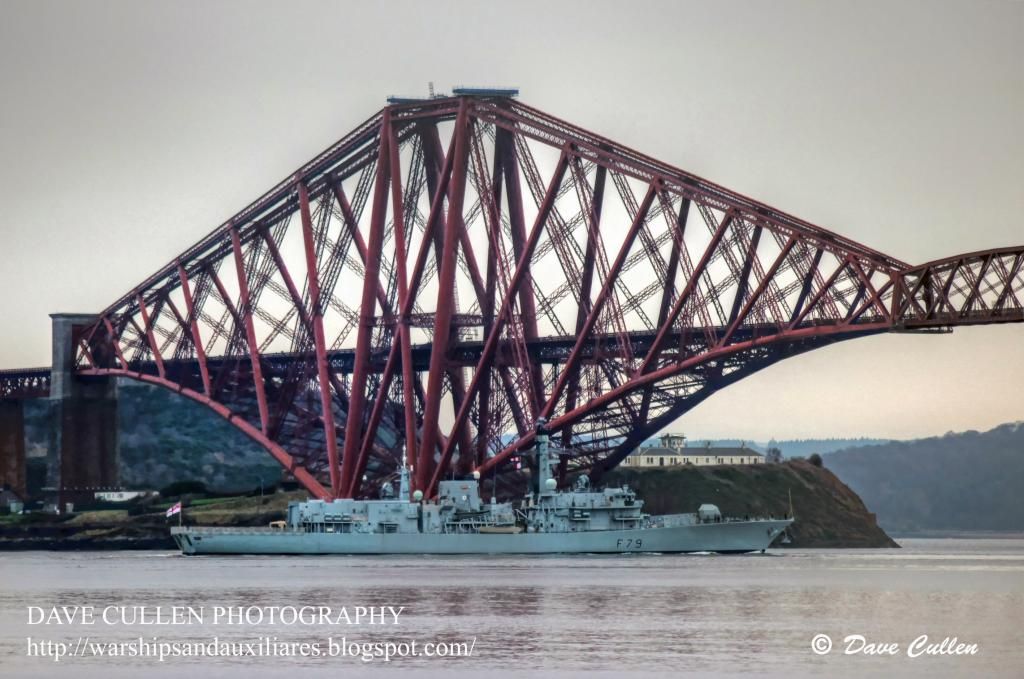
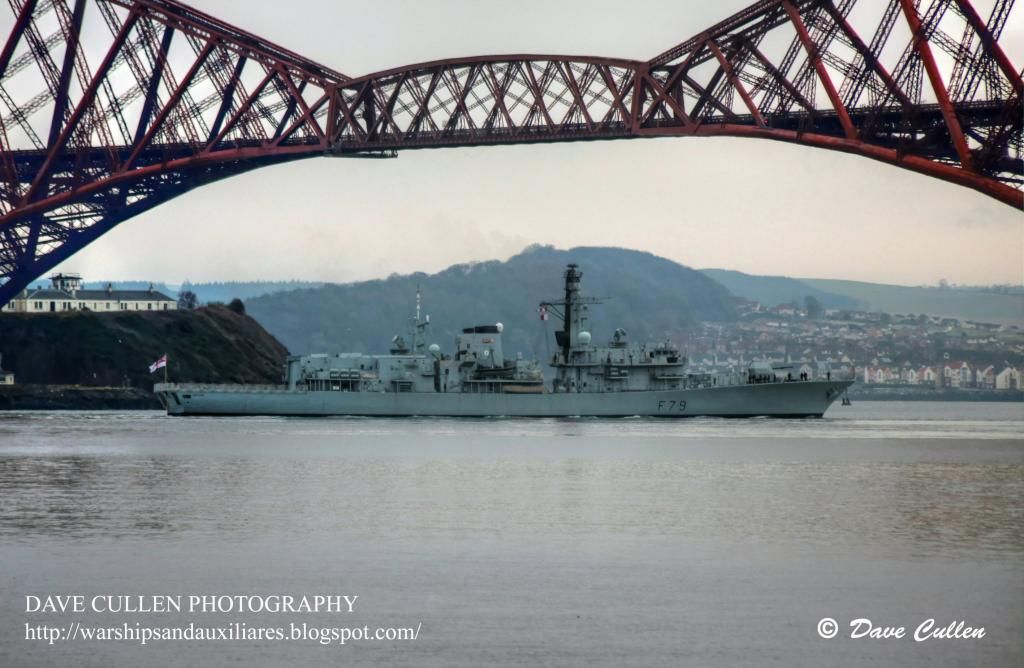
HMS Portland F79


Hms Portland is a type 23 frigate in the Royal Navy she is one of the youngest in her class having been commissioned in 2001.

Portland completed a major 50 week upkeep period at Babcock’s Rosyth dockyard in 2012.  However a few problems came to light during her post refit trials including problems with her gyros which resulted in an emergency dry docking at the Rosyth yard at the end of January. 

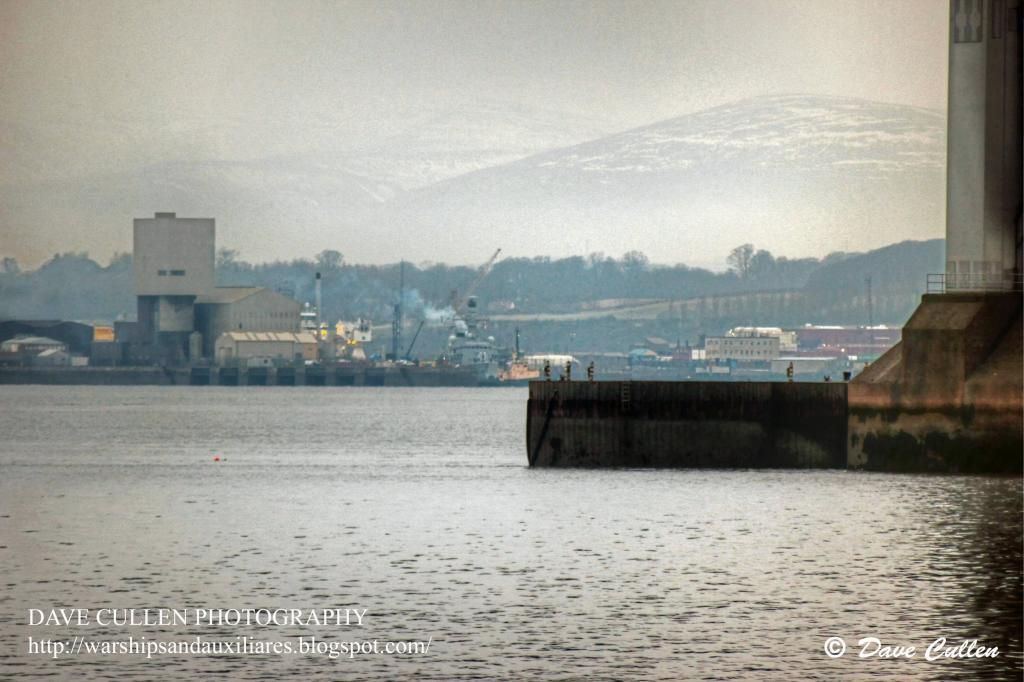
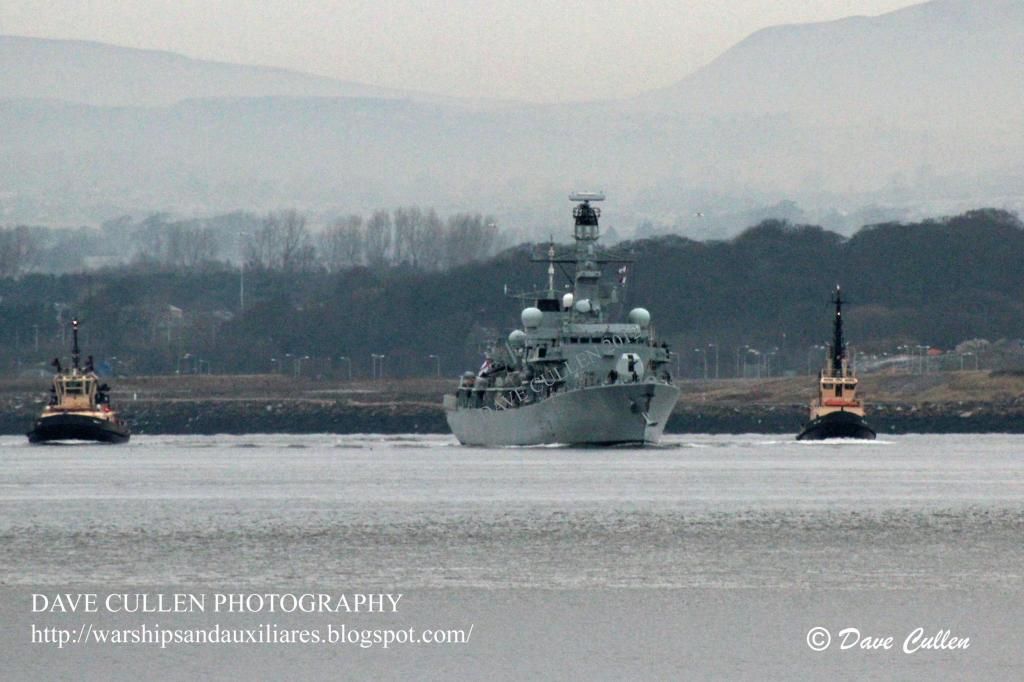
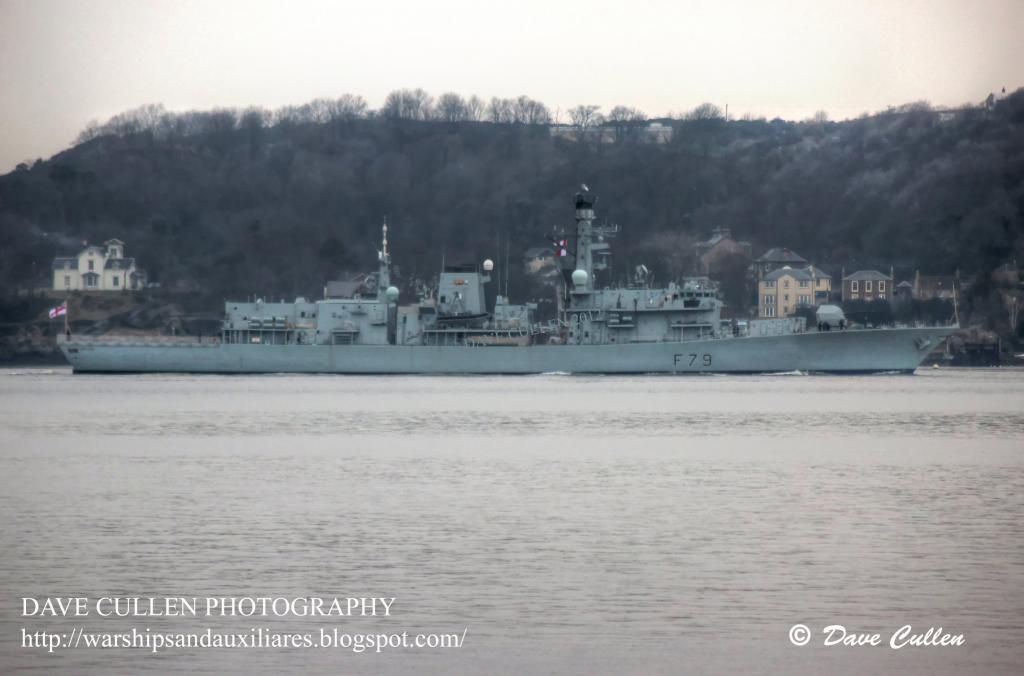
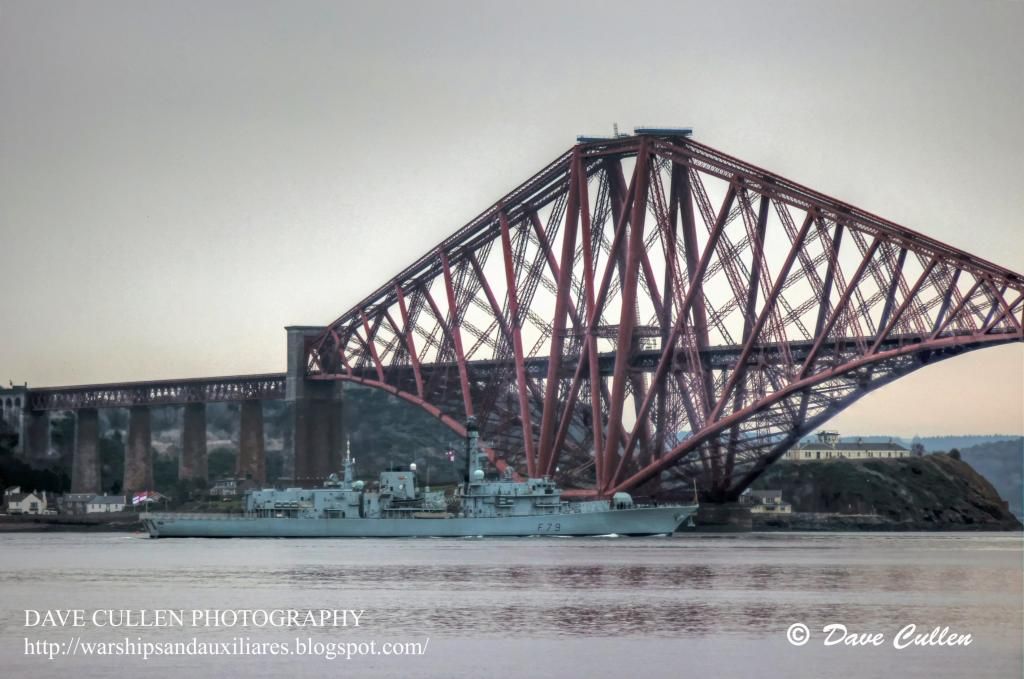
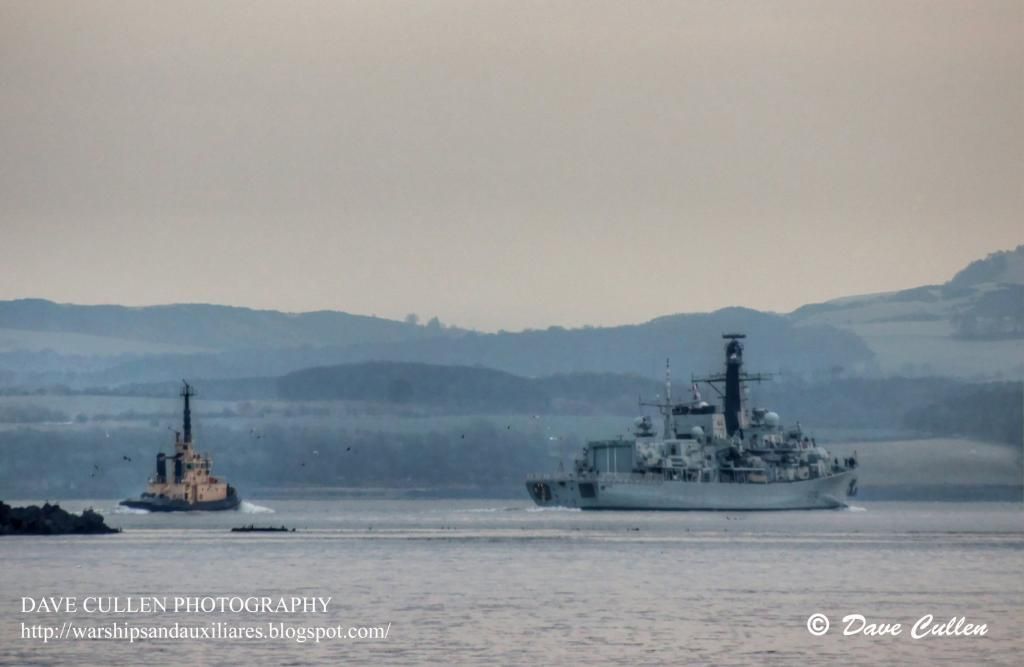
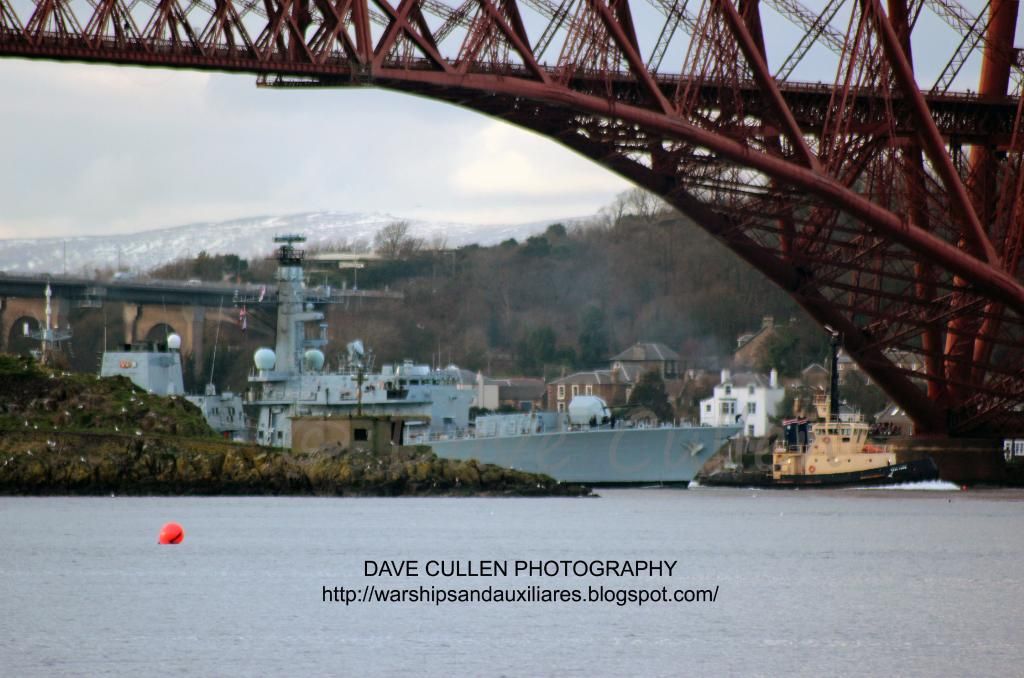
She is seen here departing (again) on the 15th February 2013 having completed her emergency repairs.

HMS Portland will undertake a further three months of sea trials before returning to Fleet and operational duties in early spring of 2013.

More information and further photos of Hms Portland can be seen here 


Friday, 15 February 2013

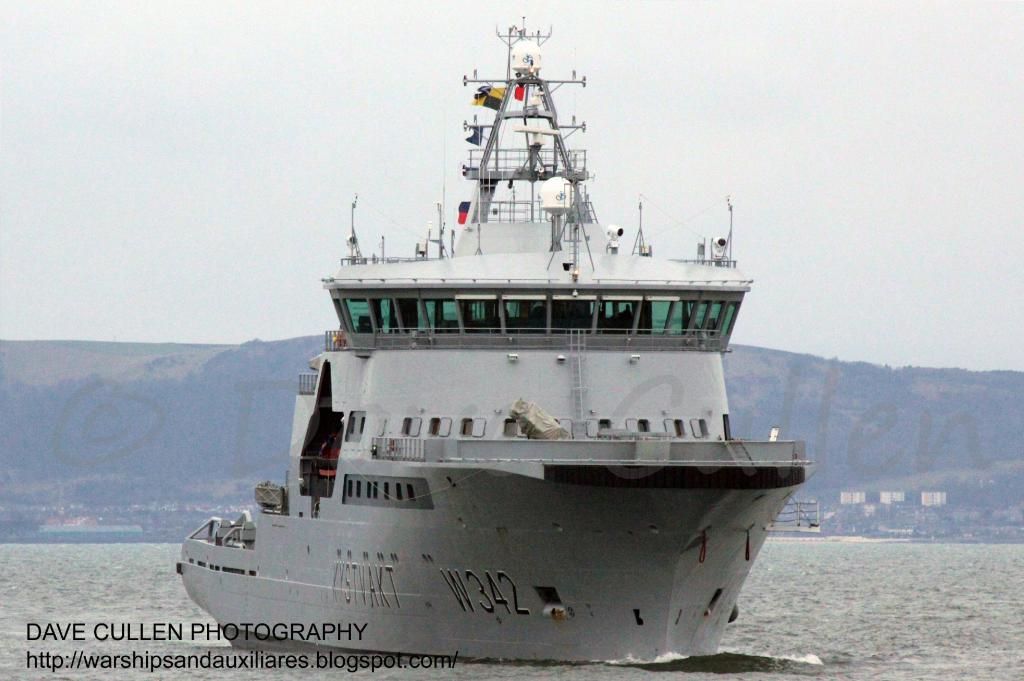
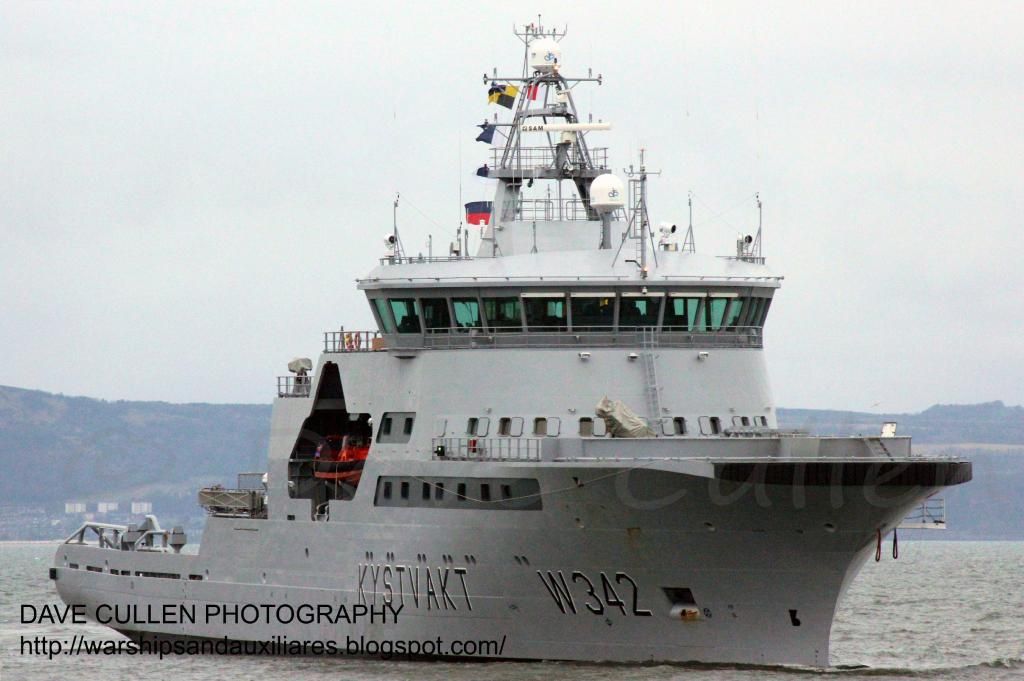
KV Sortland


Barentshav-class offshore patrol vessels

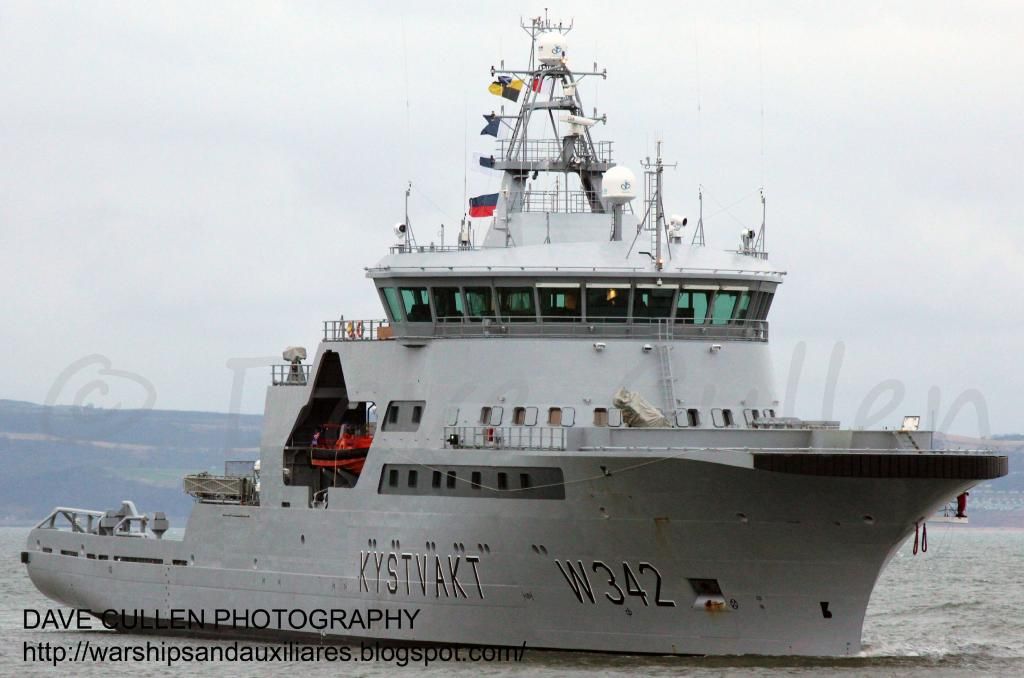
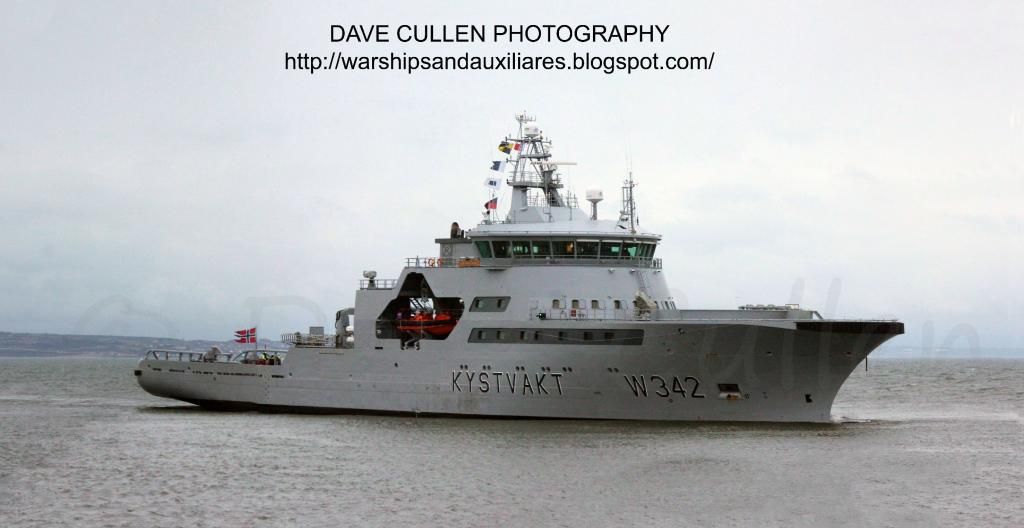
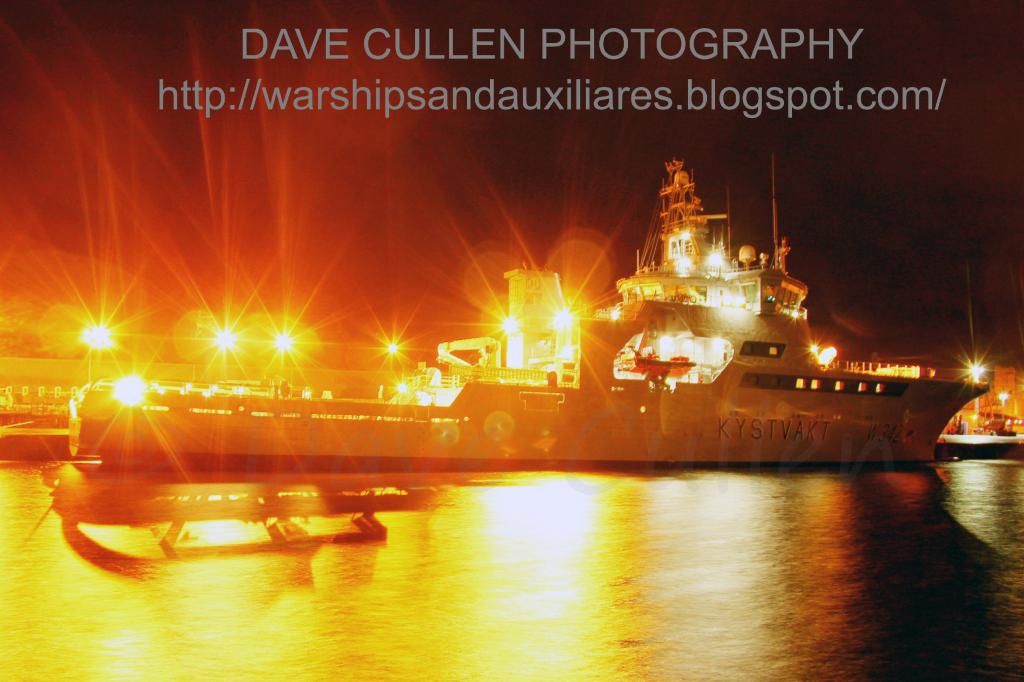
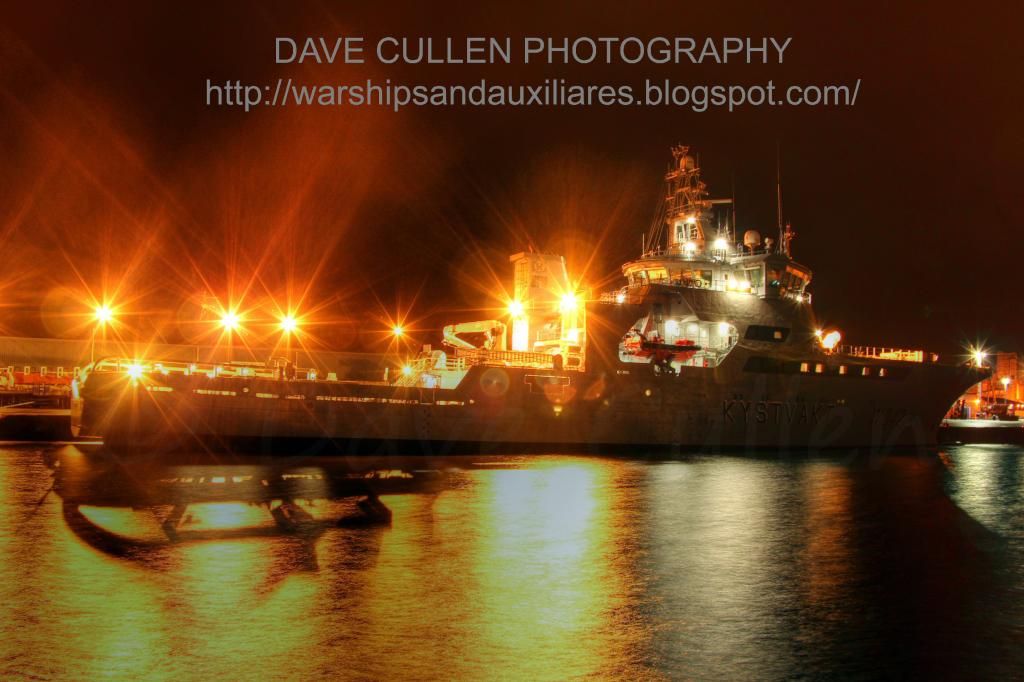
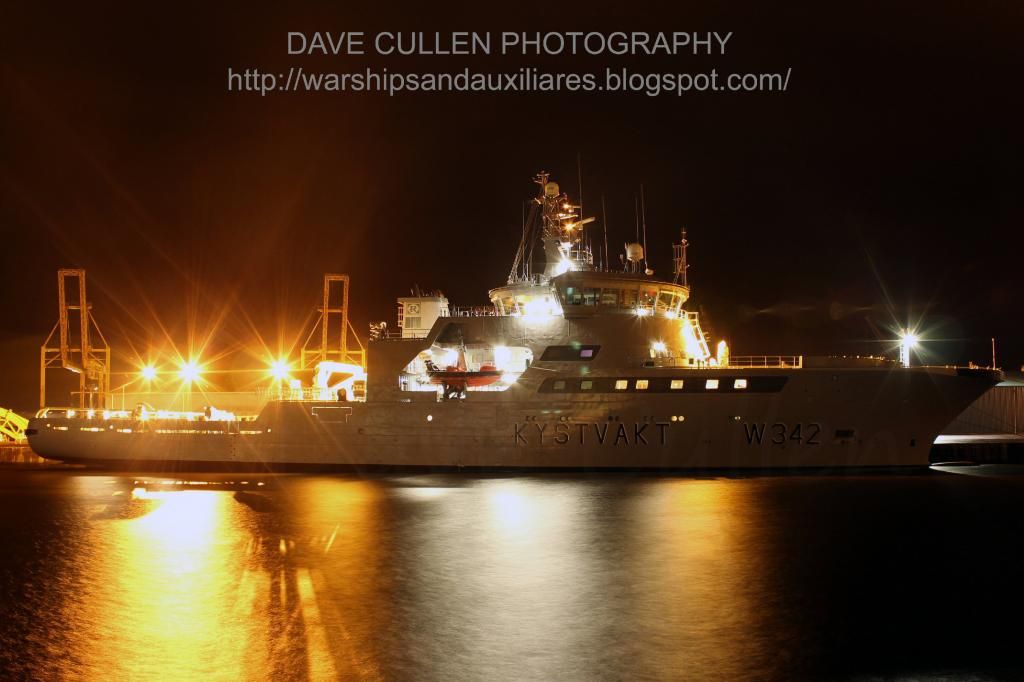
KV Sortland is one of three Barentshav class offshore patrol vessel built for the Norwegian Coastguard. Barentshav and Bergen are the other two vessels.

The class is claimed to be the world’s most energy efficient and environmentally friendly Coast Guard vessels due to the use of LNG (Liquefied Natural Gas) as the primary fuel source.

W340  Barentshav
W341  Bergen
W342  Sortland

The class are 92 meters in length and displace around 3,200 tons, they have a top speed of 16.5 knots on gas, 18.5 knots on diesel and 20 knots on combined gas/diesel, the ships are manned with a compliment of up to 40, the ships are also ice strengthened.

The Barentshav class will be equipped ready for the NATO Submarine Rescue System.

Kv Bergen is seen HERE in Leith in February 2012.

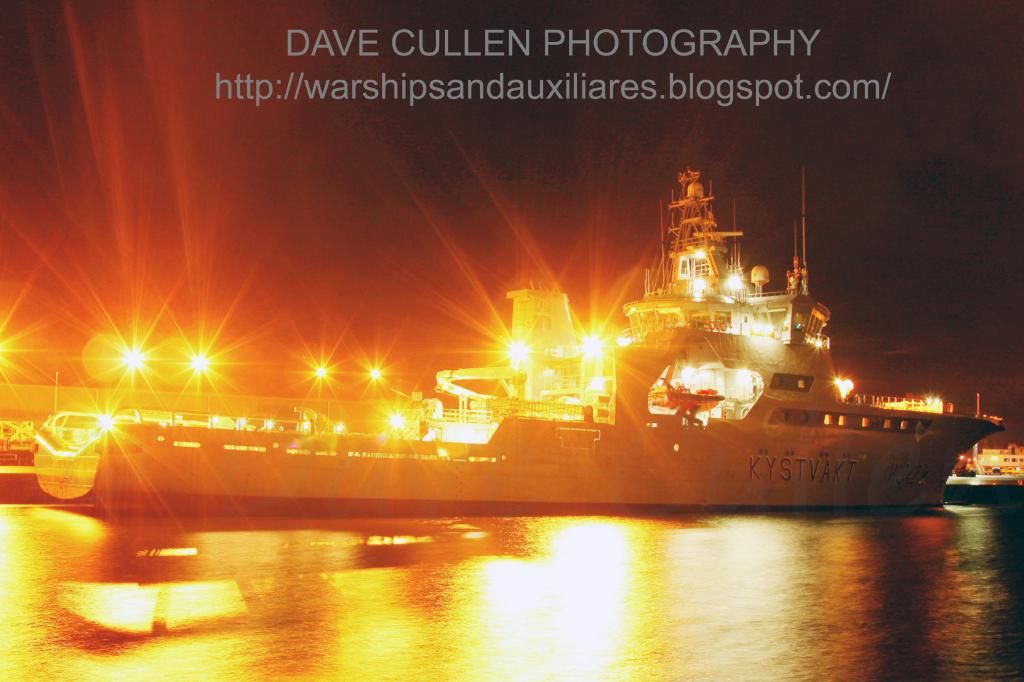
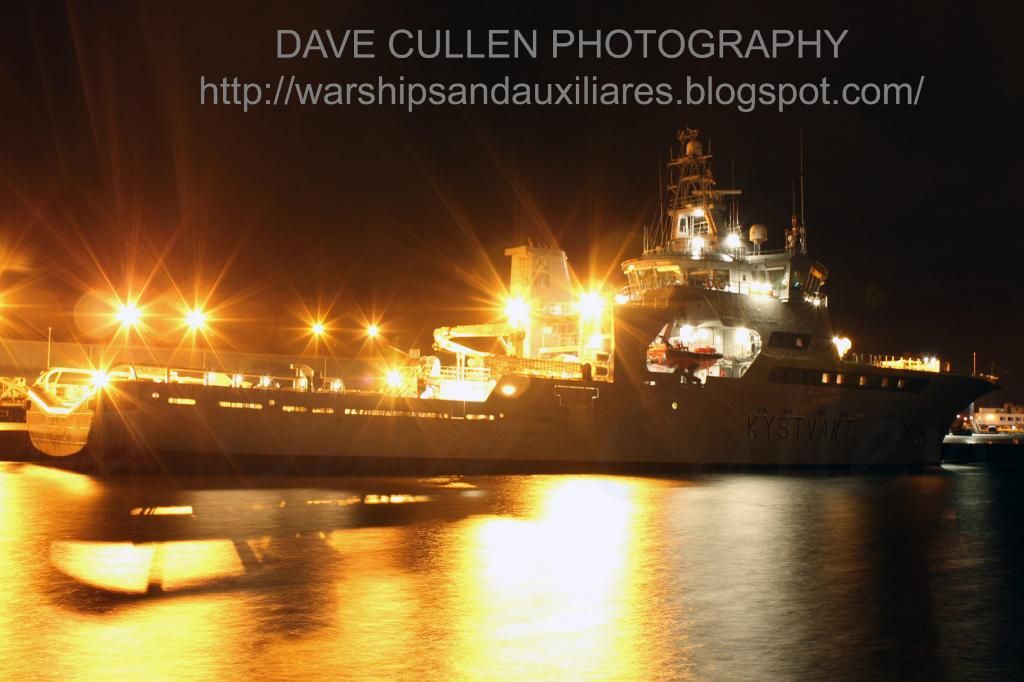
Kv Sortland is seen here arriving and alongside in Leith on 10th February 2013 on the same berth.


Friday, 25 January 2013

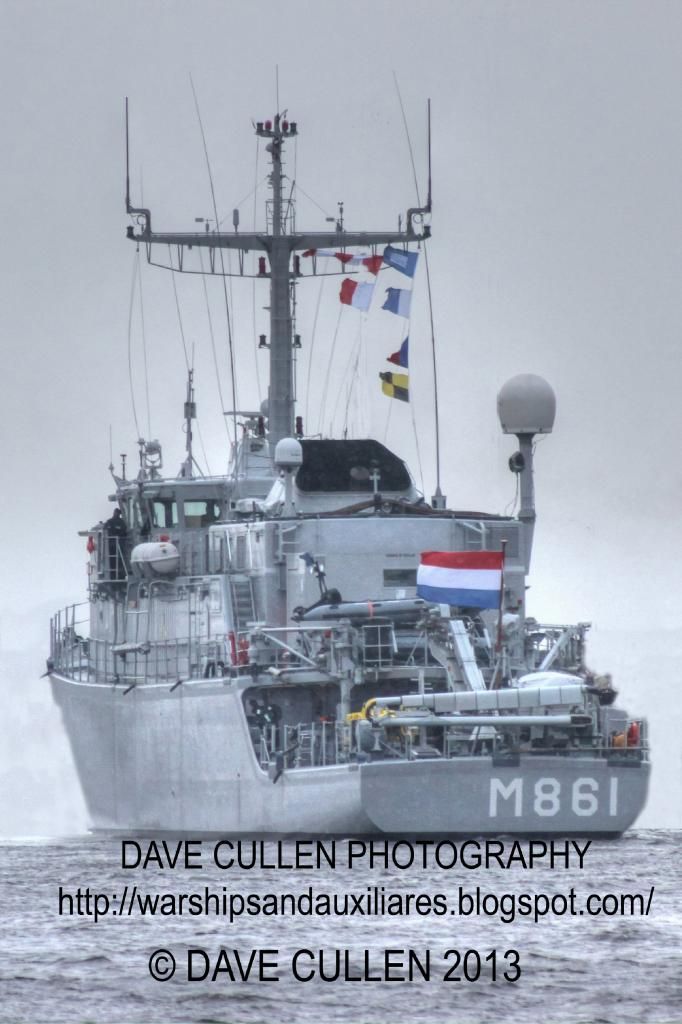
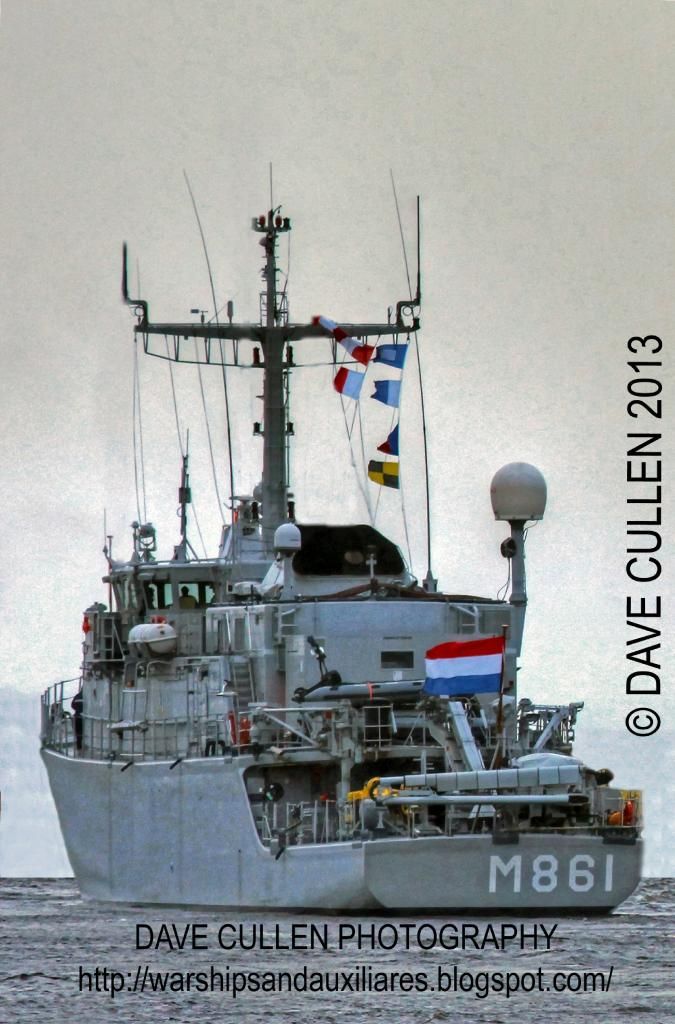
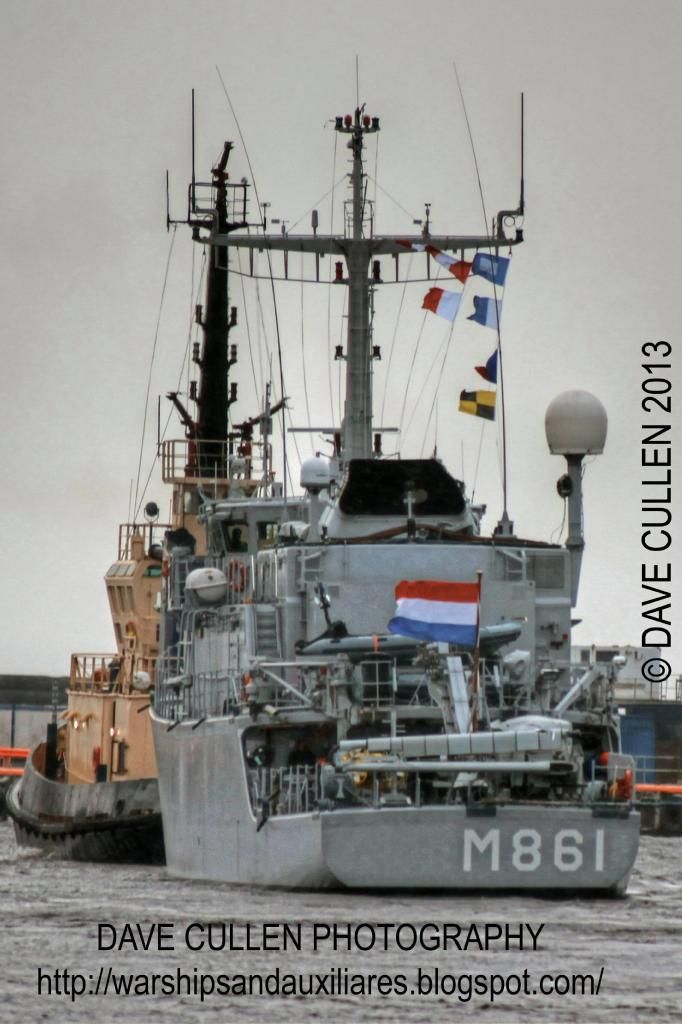
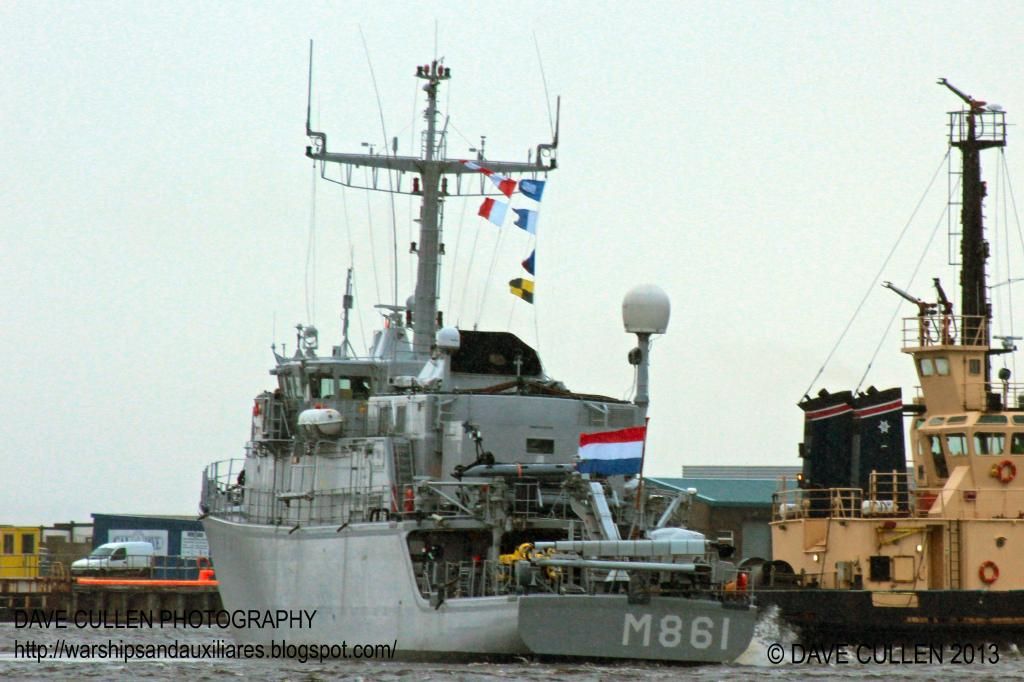
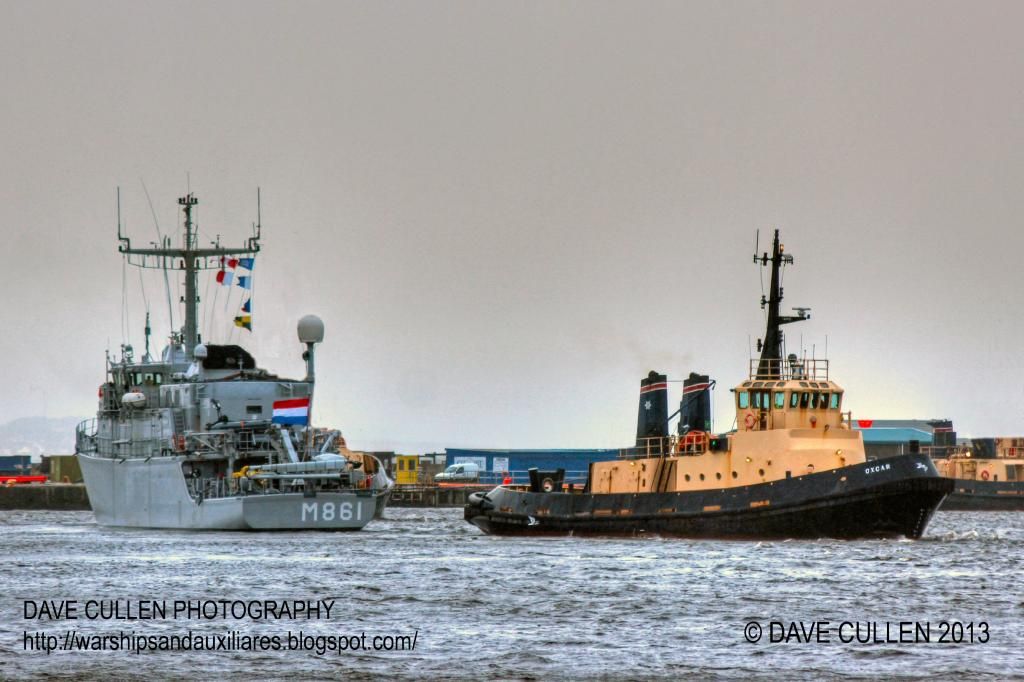
HrMS Urk (M861)


HrMs Urk is a Tripartite class and she is in a class of mine warfare vessel used by the navies of Belgium, France and the Netherlands, as well as Pakistan, Indonesia, Latvia, and Bulgaria.  They were conceived in the 1970s and built in the 1980s. France built the mine-hunting equipment, Belgium provided the electronics, and the Netherlands constructed the propulsion train. France and the Netherlands originally bought 15, with Belgium buying 10.

All three countries' Tripartite ships contribute at times to NATO's Standing Maritime MCM capability groups (SNMCMG1 or SNMCMG2).

The Netherlands “Alkmaar” class consists of the following units:

M857 Makkum
M860 Schiedam
M861 Urk
M862 Zierkzee
M863 Vlaardingen
M864 Willemstad

Two of her sisters and more details on the class can be seen arriving at Leith previously HERE 

The main task of the minehunters is to keep the sea, coastal waters and harbour approaches free of mines. They also protect maritime units in areas where there are mines by conducting specific mine countermeasures operations.  The minehunters can be deployed anywhere in the world to provide support to land operations from the sea. But they can also operate closer to home, locating and clearing mines and other explosive ordnance at sea in the Dutch sector of the Continental Shelf.  Thanks to their special glass-reinforced polyester construction, minehunters produce very little sound and no magnetic field disturbance. They will not, therefore, set off a mine if they pass over it.

The size of the crew depends on the tasks to be carried out. The total size can vary between 28 and 38 crew members. Everyone on board has their own tasks and specialty. In addition, every crew member has a specific role in the event of, for instance, a fire or if the ship sustains damage. At all times, the crew is a single team, working closely together in a relatively small space, often under difficult circumstances.  The six minehunters of the Alkmaar class operated by the Royal Netherlands Navy are a joint design of the Netherlands, Belgium and France. France built the mine-hunting equipment, Belgium provided the electronics and the Netherlands constructed the propulsion train. To reflect the cooperation between the three countries, the international name of this class of ship is the Tripartite class.  As a cost-cutting measure, four minehunters were decommissioned in 2011. These were HrMs Haarlem, HrMs Maassluis, HrMs Hellevoetsluis and HrMs Middelburg.

HrMs Urk is seen here departing Leith on Monday 21st January 2013 in a snow blizzard..


Friday, 14 December 2012

HMS Portland F79


HMS Portland


HMS Portland is a Type 23 frigate of the Royal Navy. She is the eighth ship to bear the name and is the fifteenth and penultimate ship of the 'Duke' class frigates.  The ship was accepted into service by the Royal Navy on 15 December 2000 and was commissioned on 3 May the following year.
She is the first major warship in the Royal Navy to be commanded by a woman; Lieutenant-Commander Sarah West assumed command of HMS Portland on 21 May 2012.

Hms Portland has recently completed a £20 million refit, upgrade and maintenance programme at Babcock's Rosyth dockyard in the UK.

The upgrade was aimed at maintaining the ship at peak effectiveness and follows the recent successful refits on other Type 23 frigates including HMS Kent.

The frigate also underwent structural repairs, and maintenance of all systems and equipment, including renewal of the hull coatings.

The 133m-long HMS Portland has a displacement capacity of 4,900t, is capable of cruising at speeds of 30.8 knots, can accommodate a crew of 185, and can be equipped with Harpoon and Seawolf missile systems, guns and anti-submarine torpedoes.

She is seen here departing Rosyth on Thursday 13th December 2012 for the last time before heading back home to Plymouth after over a year’s absence.


Tuesday, 13 November 2012

HMS Queen Elizabeth Lower Block 04


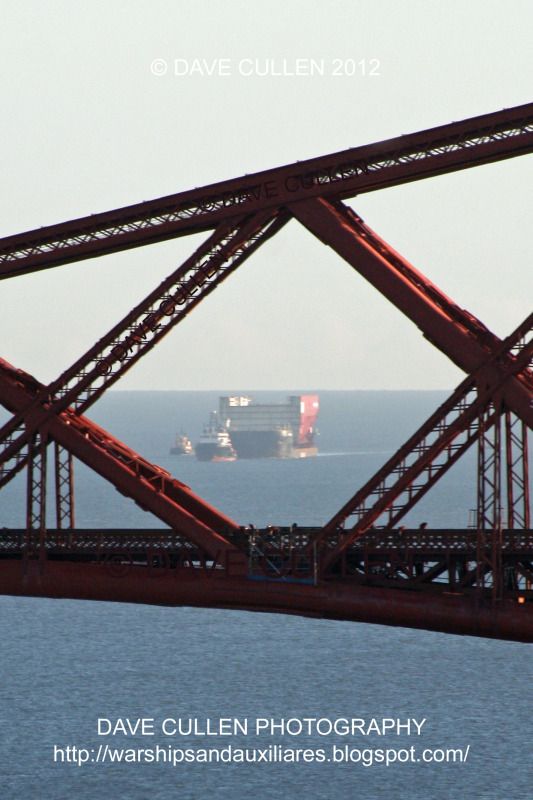
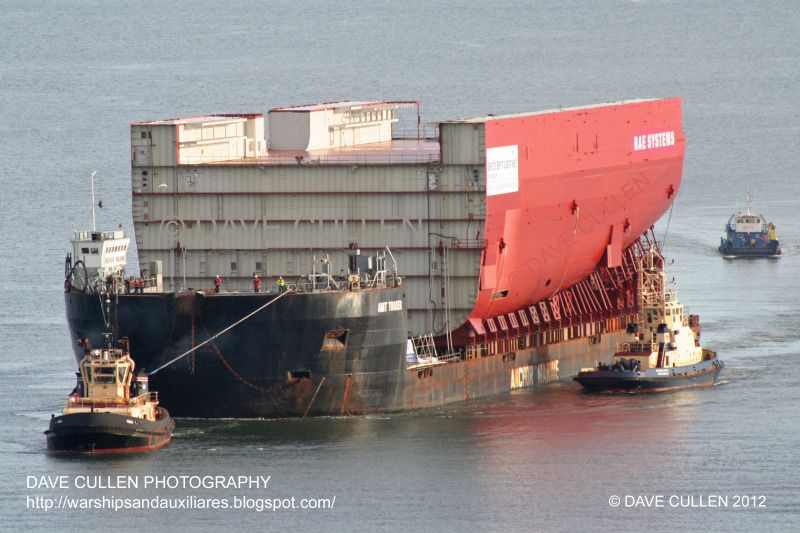
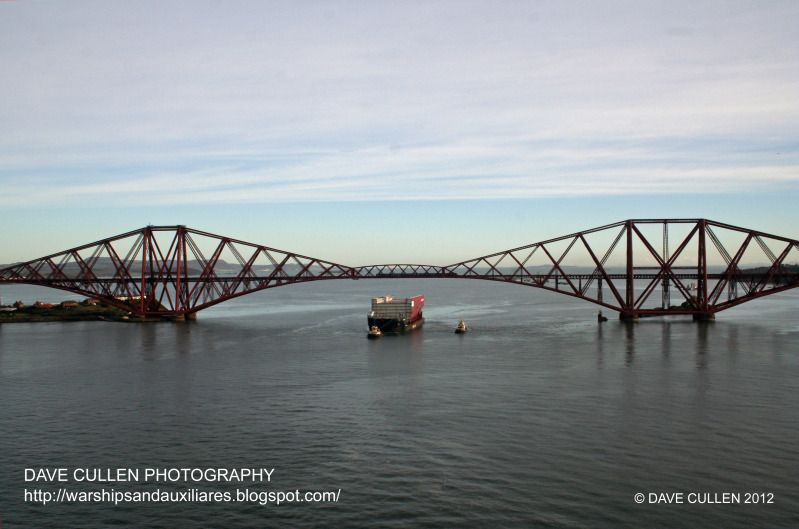
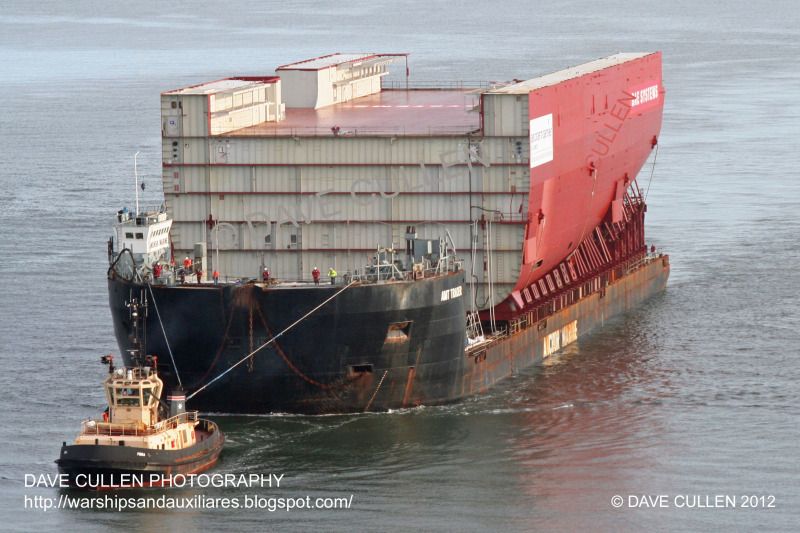
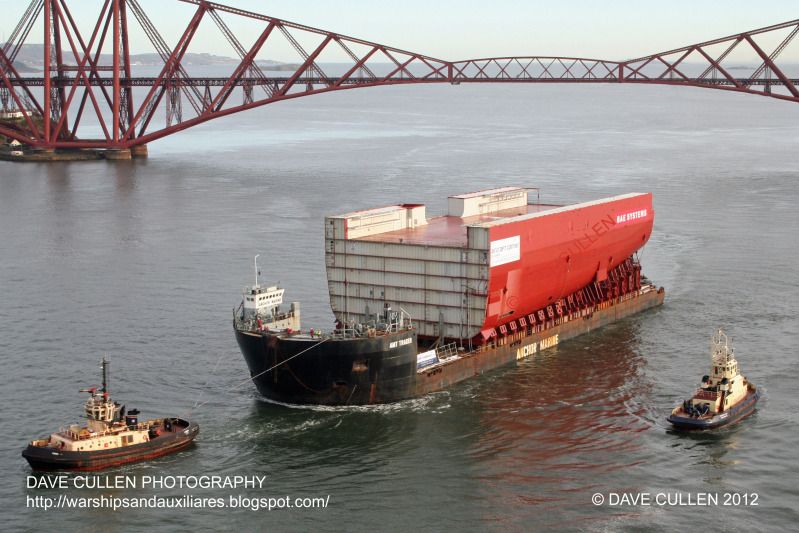
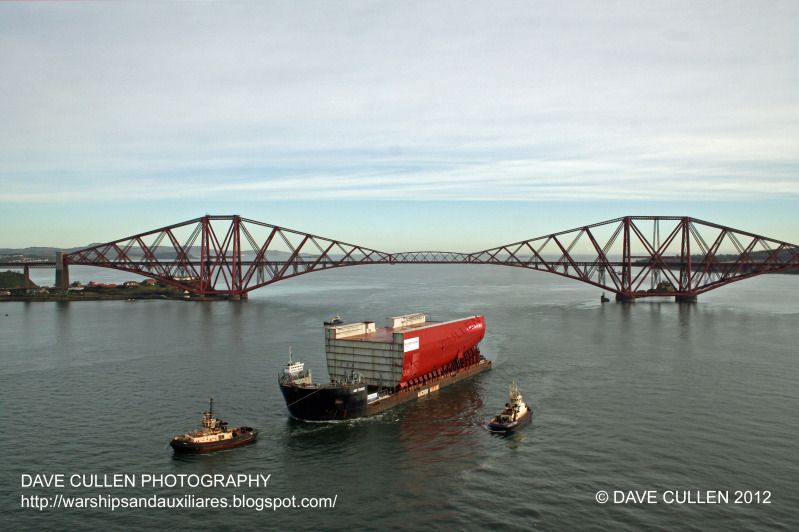
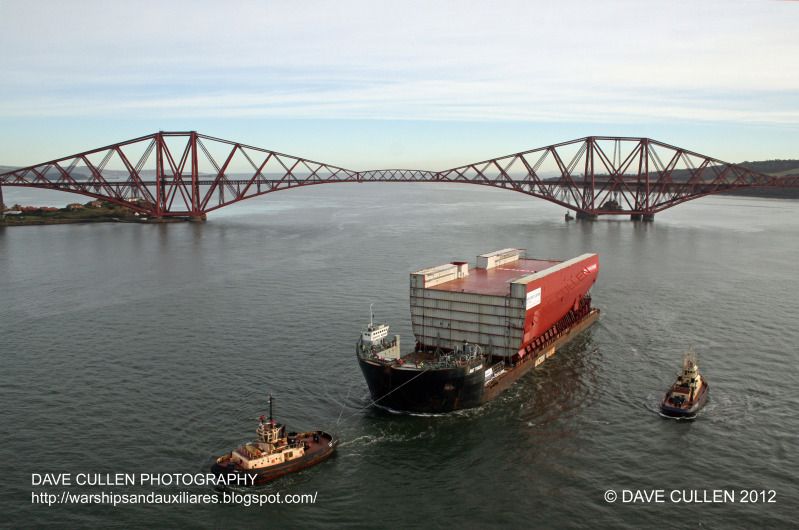
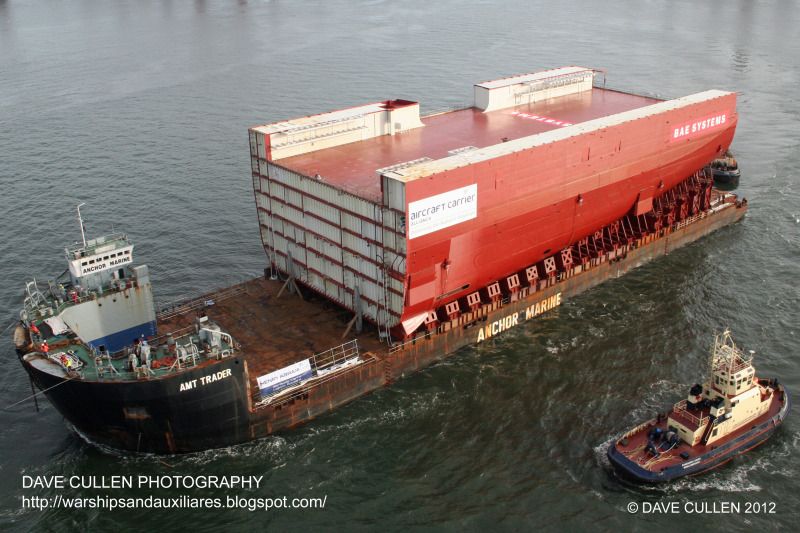
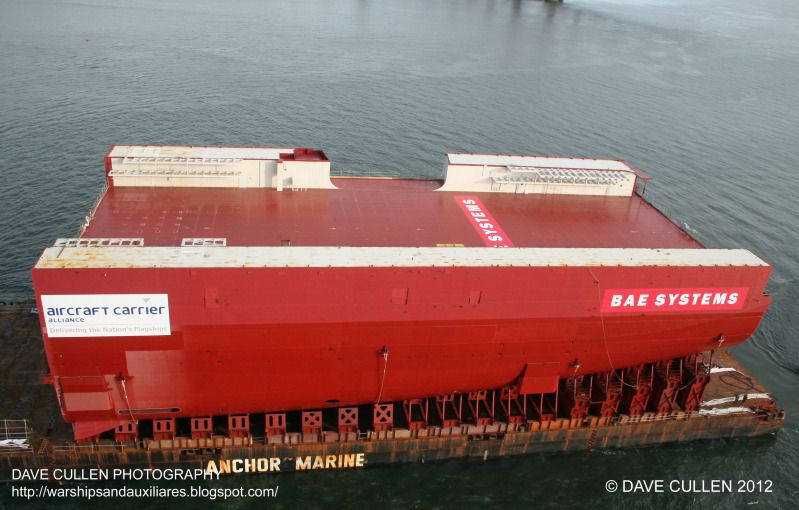
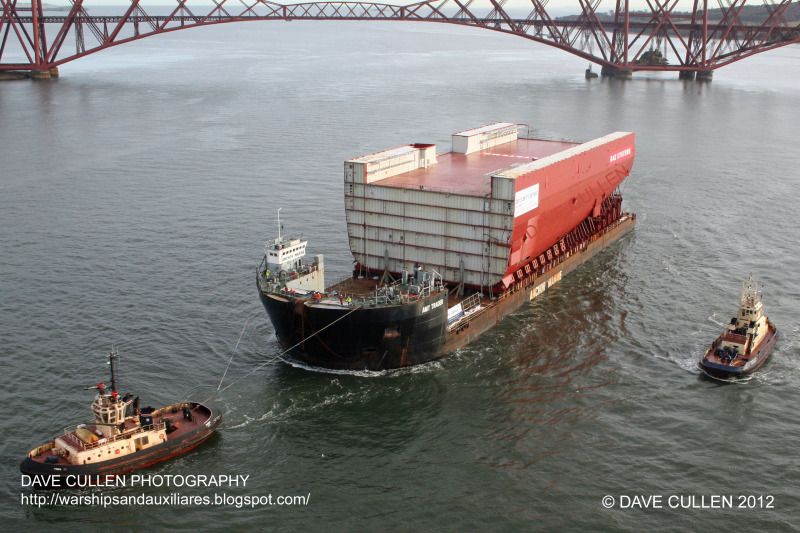
A huge section of hull for Hms Queen Elizabeth is seen here sailing under The Forth Rail Bridge on Sunday 11th November 2012. 

She is the first of two new aircraft carriers being built for the UK Royal Navy, she left BAE Systems’ shipyard at Govan on November 4 to embark on a 1500-mile journey to Rosyth.

The large sea-going barge AMT Trader was carrying the 11,300 tonne aft section of hull, known as Lower Block 04, was towed from the company’s yard on the Clyde to begin her seven-day journey to the east coast.

Since moving the block out of the company’s shipbuilding hall on the 21st October, final preparatory work, including sea fastening, was undertaken by workers to prepare the block for her departure. The team had also monitored weather forecasts to time the block’s departure to ensure a smoother journey to the east coast.

Equating to around twenty per cent of the overall weight of the ship, Lower Block 04 is the largest hull section of Hms Queen Elizabeth. The block will now be floated off the specialist barge and moved into position in dry dock, ready to join the other sections already in place. Additionally, around 250 employees from the Clyde followed the block to Rosyth where they will work in partnership with Babcock to complete the assembly phase.


Sunday, 21 October 2012

Bns's Lobelia and Primula


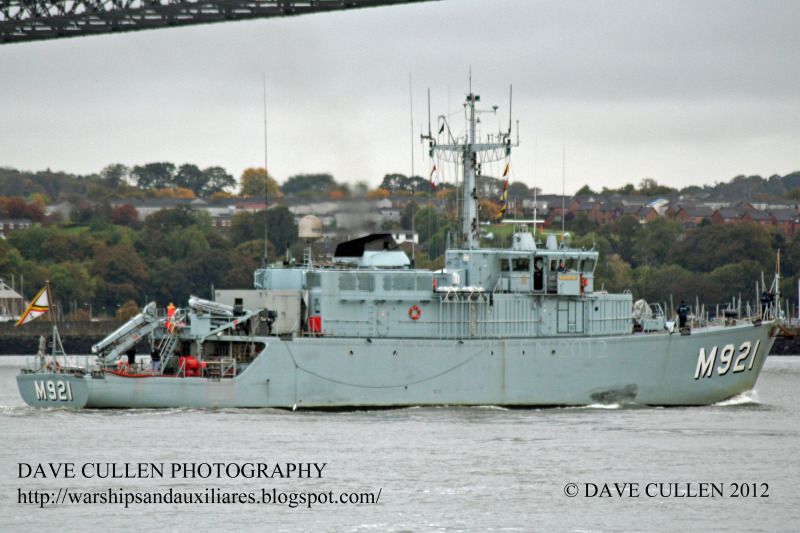
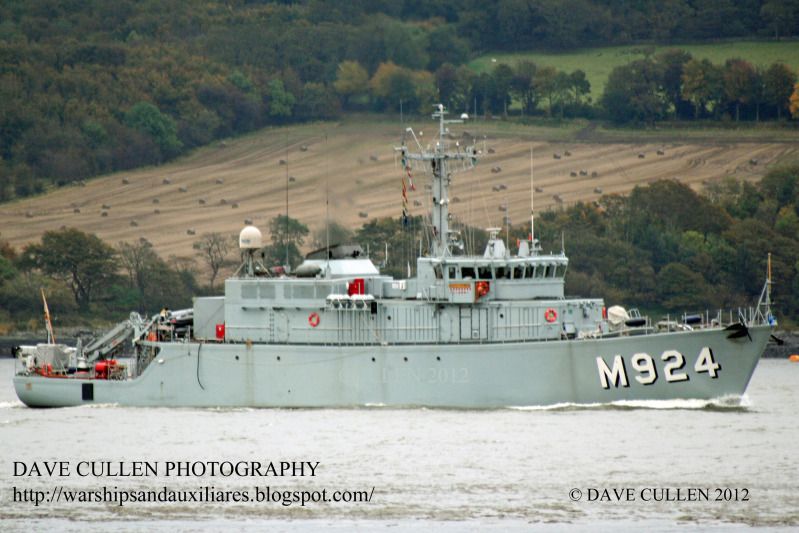
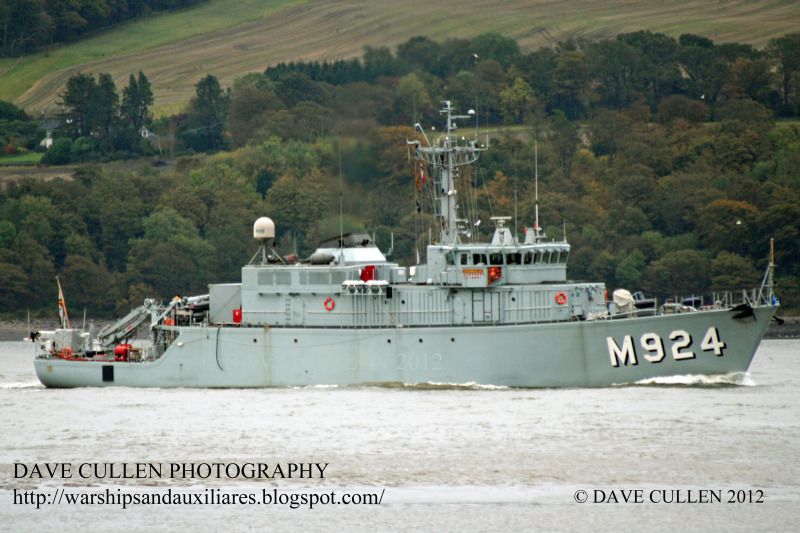
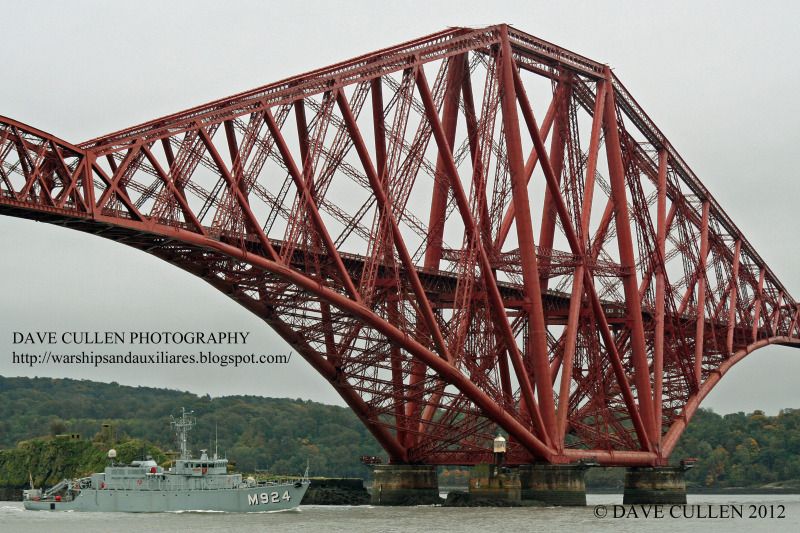
Bns Lobelia and Bns Primula

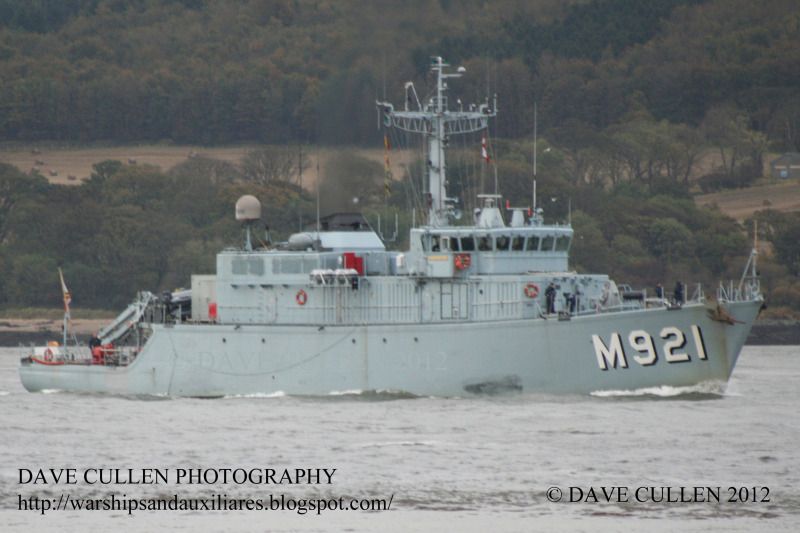
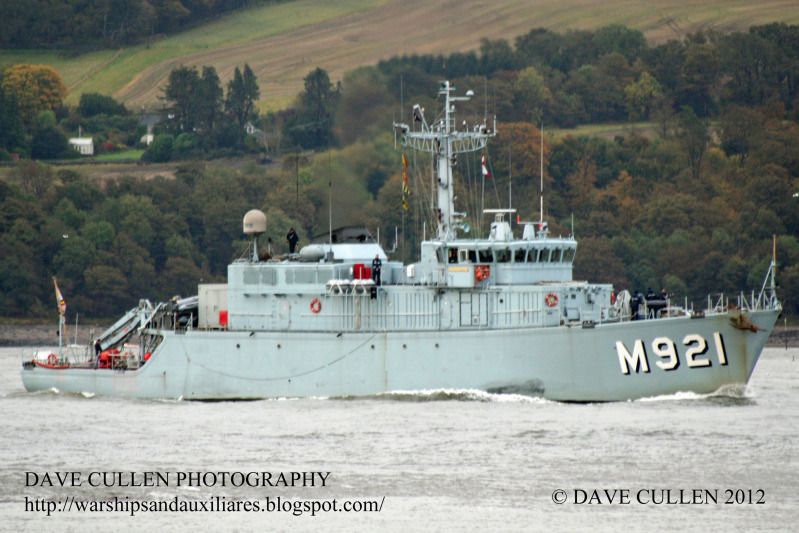
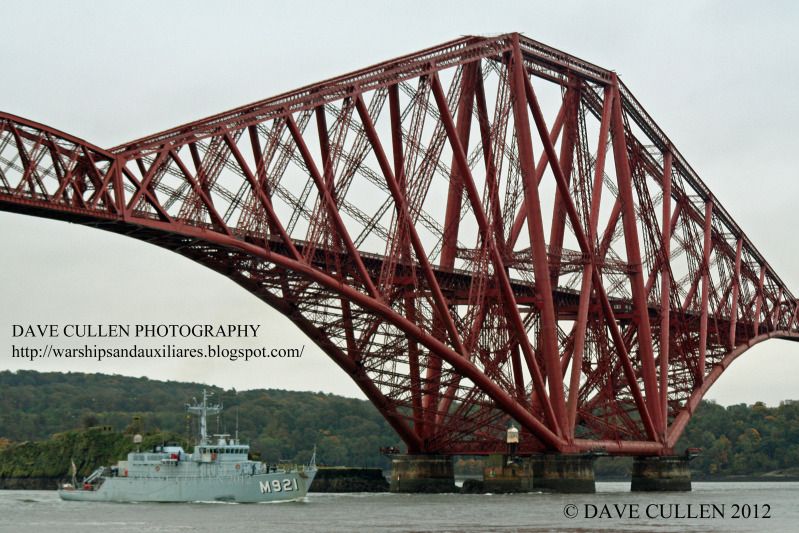
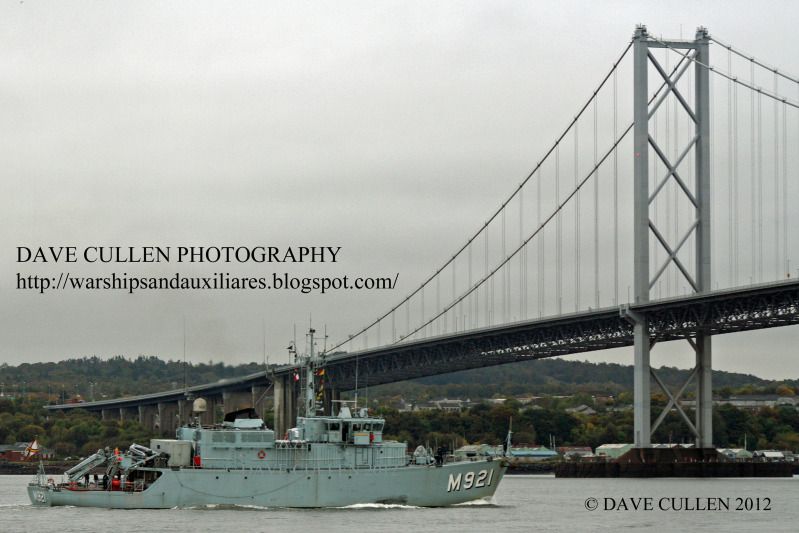
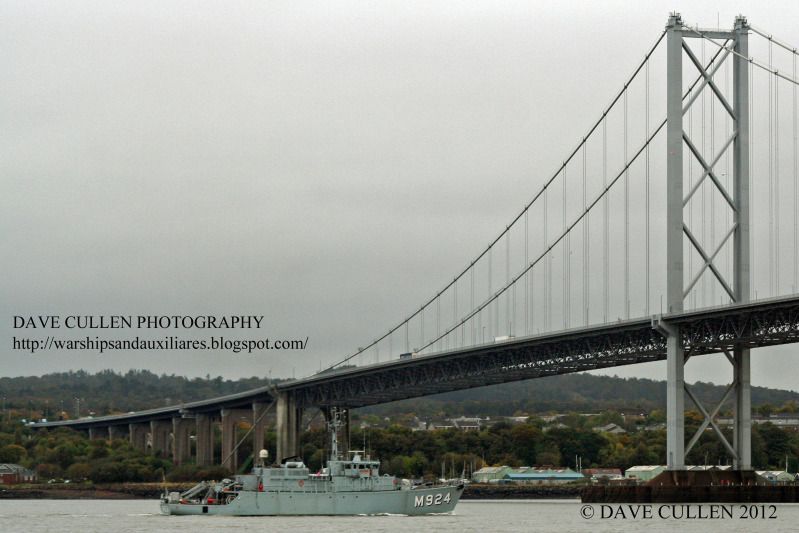
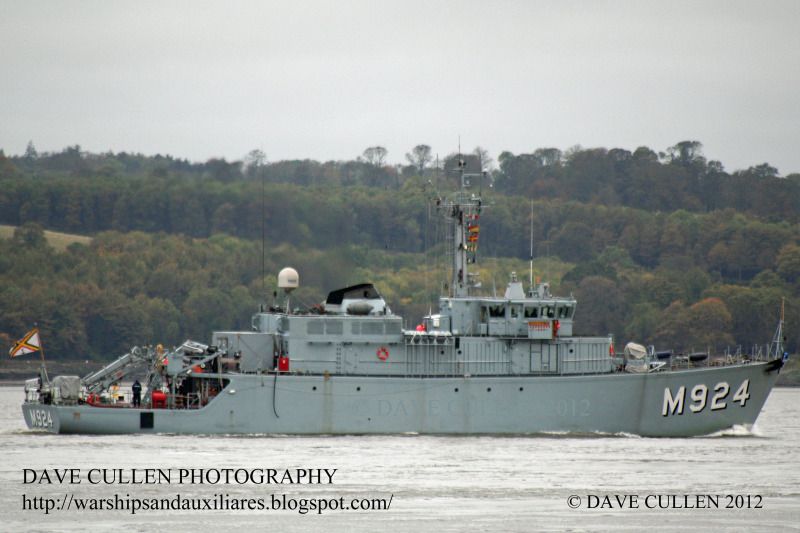
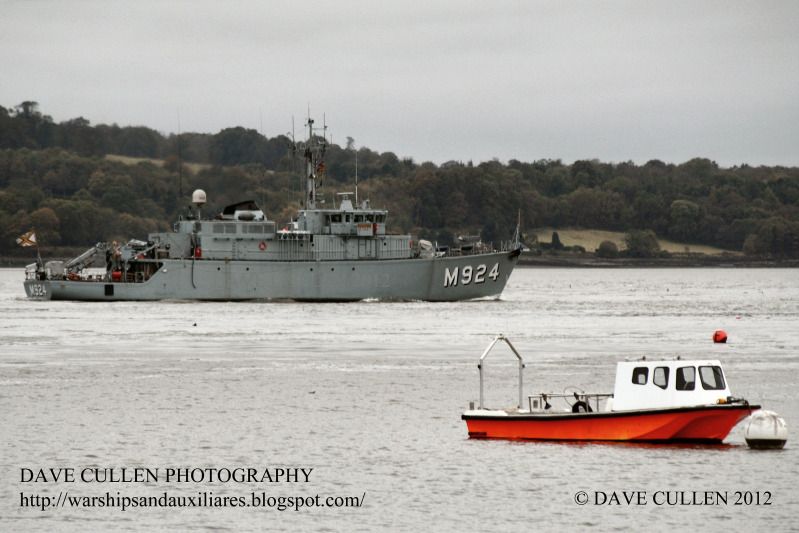
Bns Lobelia (M 921) and Bns Primula (M 924) are two of 6 Tripartite class minehunters in service for the Belgian navy.

Lobelia entered service in 1989 and Primula in 1991.  They displace 595 tons and are 52 meters long.  This class usually has a crew of around 40. 

All six of the class have recently completed a Capability Upkeep Program (CUP) to keep them in service until 2020.

This is a very popular class of ship as several nations have them in service, Bulgaria, Netherlands, France, Latvia, Pakistan to name but a few.

Both ships are seen at the Forth Bridges on Friday 19th October 2012 heading to Rosyth for fuel before sailing home to Belgium.

Bns Lobelia


Bns Primula